
This women’s let us discuss what are the essential vitamins that required by every age group women, and why it’s so important and how does it functions in once body
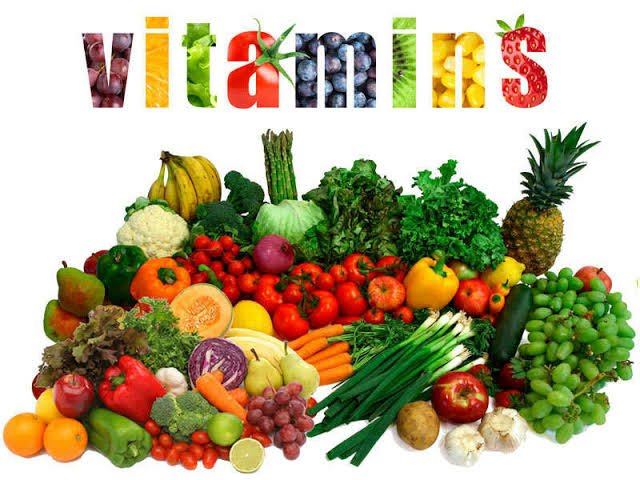
Vitamins are essential for are overall health.vitamins and micronutrients are essential for normal cell function, growth, and development, which can be achieved by eating a health balanced diet.
The following vitamins are imperative for the body to function properly:
vitamin A- is a group of unsaturated nutritional organic compounds that includes retinol, retinal, retinoic acid, and several provitamin A carotenoids (most notably beta-carotene).

which has multiple functions: it is important for growth and development, for the maintenance of the immune system, and for good vision and skeletal tissue.
is a fat-soluble vitamin that is good for healthy vision, skin, bones and other tissues in the body.
Vitamin A often works as an antioxidant, fighting cell damage and help in repairing them.
There are two types of vitamin A. Preformed vitamin A, also called retinol, is found in animal products. Good sources are fortified milk, eggs, meat, cheese, liver, halibut fish oil, cream and kidneys.
Pro-vitamin A is found in plant-based foods such as fruits and vegetables
The most common type of pro-vitamin A is beta-carotene, a carotenoid that produces dark pigments in plant foods. Beta-carotene can be found in these brightly colored foods:
Pink grapefruit
Apricots
Carrots
Pumpkin
Sweet potatoes
Winter squash
Dark green, leafy vegetables
Broccoli
Vitamin B : which are important for making sure the body’s cells are functioning properly. They help the body convert food into energy (metabolism), create new blood cells, and maintain healthy skin cells, brain cells, and other body tissues.

Vitamin B also helps the body metabolize fats and produce energy.
There are eight types of B vitamin, each with their own function:
- Thiamin (vitamin B-1)
- Riboflavin (vitamin B-2)
- Niacin (vitamin B-3)
- Oantothenic acid (vitamin B-5)
- Vitamins B-6
- Biotin (vitamin B-7)
- Folate (vitamin B-9)
- Vitamin B-12
Together, they are called the vitamin B complex.
The body needs thiamin for:
- Breaking down sugar (carbohydrate) molecules from food
- Creating certain neurotransmitters (brain chemicals)
- Producing fatty acids.
- Synthesizing certain hormone
Thaimin rich food are:
- whole grains and fortified bread, cereal, pasta, and rice
- pork
- trout
- mussels
- acorn squash
- legumes, such as black beans and soybeans
- seeds
- nuts
vitamin B2 (riboflavin), which is an antioxidant and protects the body’s cells against free radicals.

Riboflavin is essential for:
- Energy production
- Helping the body break down fats, drugs, and steroid hormones
- Converting tryptophan into niacin (vitamin B-3)
- Converting vitamin B-6 into a coenzyme that the body needs
Foods rich in riboflavin include:
- Organ meats
- Fortified breakfast cereals
- Oatmeal
- Yogurt and milk
- Mushrooms
- Almonds
vitamin B3 (niacin), which can lower the risk of cardiovascular disease.

The body converts niacin into a coenzyme called nicotinamide adenine dinucleotide (NAD).
NAD is a necessary part of more than 400 different enzyme reactions in the body, the highest of all vitamin-derived coenzymes. These enzymes help with:
- changing the energy in carbohydrates, fats, and proteins into a form the body can use
- metabolic processes in the body’s cells
- communication among cells
- expression of DNA in cells
Foods that are rich in Niacin
Animal-based foods such as meat, poultry, and fish are high in NAD, which the body can easily use.
Plant-based foods including nuts, legumes, and grains contain a natural form of niacin that the body cannot use as easily. However, manufacturers add niacin to foods such as cereals, and the body can easily use this form.
vitamin B5 (pantothenic acid), which is essential for hormone production, immune system health, and producing energy.

Pantothenic acid is necessary for the body to create new coenzymes, proteins, and fats.
Red blood cells carry pantothenic acid throughout the body so it can use the nutrient in a variety of processes for energy and metabolism.
Foods that are rich in Pantothenic acid are:
- Beef liver
- Mushrooms
- Sunflower seeds
- Chicken
- Tuna
- Avocados
- Fortified breakfast cereals
vitamin B6(pyridoxine), which helps produce myelin, a protective layer around cells.

Vitamin B-6 plays a role in more than 100 enzyme reactions. The body needs vitamin B-6 for:
- Amino acid metabolism
- Breaking down carbohydrates and fats
- Brain development
- Immune function
vitamin B7 (biotin), which is necessary for the metabolism as well as healthy skin, hair, nails, and cells.
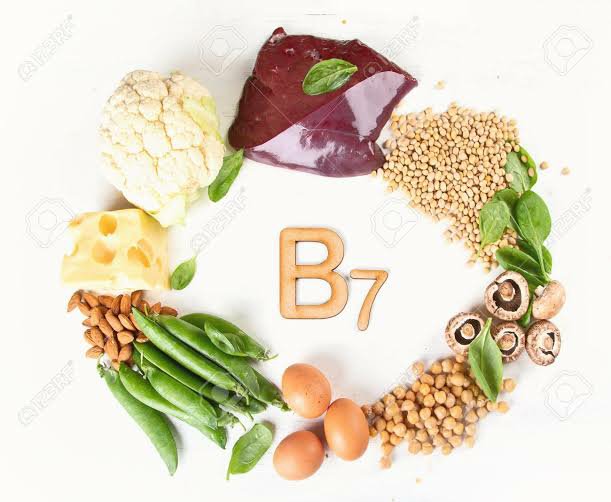
The human body needs biotin for:
- breaking down fats, carbohydrates, and protein
- communication among cells in the body
- regulation of DNA
Food that contain Biotin are:
- organ meats
- eggs
- salmon
- pork
- beef
- sunflower seeds
vitamin B9 (folate), which is necessary for the proper functioning of the nervous system and
- DNA replication
- metabolism of vitamins
- metabolism of amino acids
- proper cell division
Foods that rich in Folate are as follows:
- dark green leafy vegetables
- beef liver
- avocado
- papaya
- orange juice
- eggs
- beans
- nuts
vitamin B12 (cobalamin), contains the mineral cobalt and is sometimes called a “cobalamin.” which is essential for the production of healthy red blood cells and nerve cells.

- creating new red blood cells
- DNA synthesis
- brain and neurological function
- fat and protein metabolism
Vitamin B-12 occurs naturally in animal products such as:
- clams
- beef liver
- salmon
- beef
- milk and yogurt
vitamin C : also known as ascorbic acid, is a water-soluble nutrient found in some foods. In the body, it acts as an antioxidant, helping to protect cells from the damage caused by free radicals. Free radicals are compounds formed when our bodies convert the food we eat into energy.
Vitamin C is also essential for growth and repair in body tissue.
vitamin C is “a potent antioxidant that can neutralize free radicals,” explains board-certified dermatologist Patricia Wexler. “Because of its antioxidant properties, vitamin C aids in your skin’s natural regeneration process, which helps your body repair damaged skin cells.”
A 2005 study, published in Journal of the American College of Nutrition, showed that vitamin C deficiency can slow down loss of fat mass and that those who have a higher vitamin C intake have lower body mass indices (BMI).
Vitamin C quickly provides energy to your body. Additional benefits are: faster healing and prevention of cancers.
Vitamin C is an antioxidant, which is an incredibly important quality that plays a role in combating dark spots. … Vitamin C helps to inhibit the enzyme tyrosinase, which helps to prevent melanin production. Plus, it significantly lightens pigmentation but does not lighten normal skin.
Vitamin C is a powerful antioxidant that helps protect against the oxidative stress caused by free radicals.In addition, your body needs vitamin C to create a protein known as collagen — an important part of hair structure.
Vitamin C also helps your body absorb iron, a mineral necessary for hair growth.
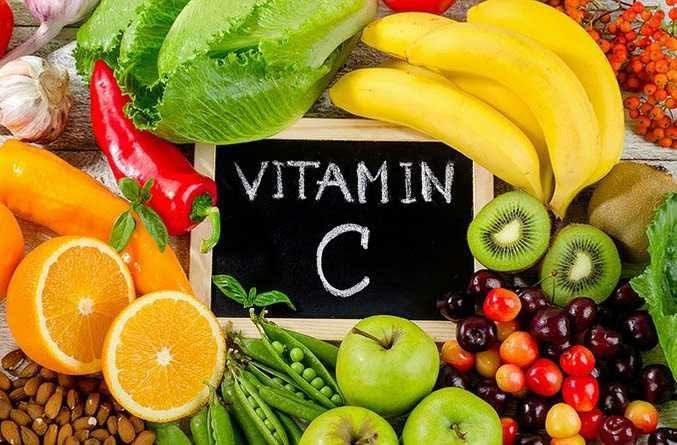
Foods that are rich in vitamin C are :
broccoli,
- cantaloupe,
- cauliflower,
- kale,
- kiwi,
- orange juice,
- papaya,
- red, green or yellow pepper,
- sweet potato,
- strawberries, and
- tomatoes.
vitamin D: is sometimes called the “sunshine vitamin” because it’s produced in your skin in response to sunlight.
It’s a fat-soluble vitamin in a family of compounds that includes vitamins D-1, D-2, and D-3.
It also aids in calcium absorption and allows for healthy bones and optimal immune function.
Vitamin D also helps in fighting diseases.
Research has shown that vitamin D might play an important role in regulating mood and warding off depression.
Vitamin D boots weight loss.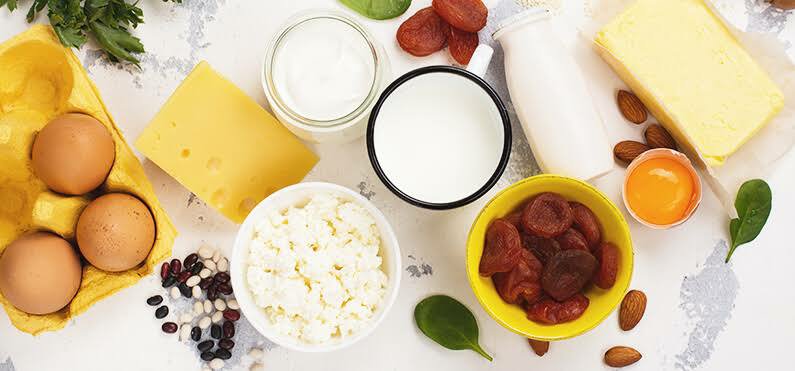
Foods that contain vitamin D include:
- salmon
- sardines
- egg yolk
- shrimp
- milk (fortified)
- cereal (fortified)
- yogurt (fortified)
- orange juice (fortified)
vitamin E, Vitamin E is a fat-soluble vitamin with several forms, but alpha-tocopherol is the only one used by the human body. Its main role is to act as an antioxidant, scavenging loose electrons—so-called “free radicals”—that can damage cells.
Vitamin E has the ability to protect cells from free radical damage as well as stop the production of free radical cells entirely and also boost the immune system.
It also enhances immune function and prevents clots from forming in heart arteries.
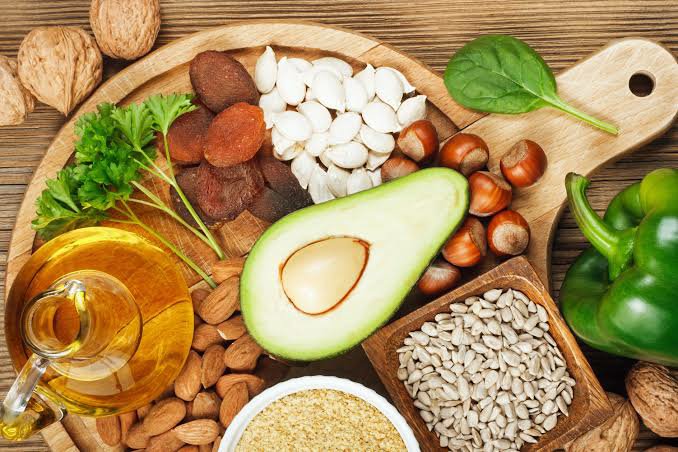
Foods that are rich in Vitamin E are :
- Wheat germ oil
- Sunflower, safflower, and soybean oil
- Sunflower seeds
- Almonds
- Peanuts, peanut butter
- Beet greens, collard greens, spinach
- Pumpkin
- Red bell pepper
- Asparagus
- Mango
- Avocado
Vitamin K,plays a key role in helping the blood clot, preventing excessive bleeding.
Vitamin K is actually a group of compounds. The most important of these compounds appears to be vitamin K1 and vitamin K2.
Foods that are rich in Vitamin K are:
Vitamin K keeps your heart healthy and your bones strong.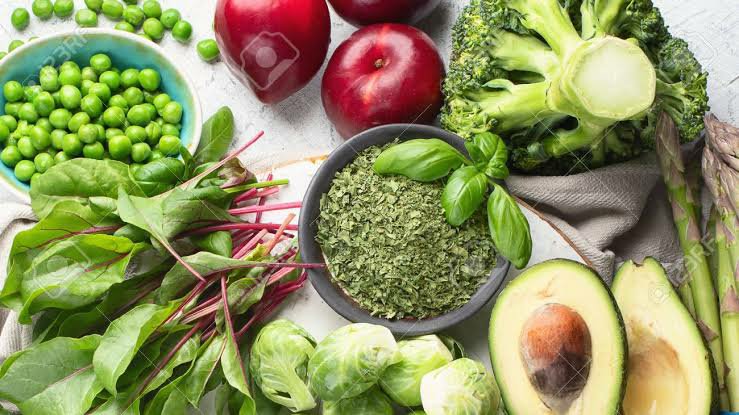
Foods that are rich in vitamin K are :
- Vegetables like spinach, asparagus, and broccoli
- Legumes like green beans
- Eggs
- Strawberries
- Meat like liver
 zara
zara 